Access Challenges in Remote Locations
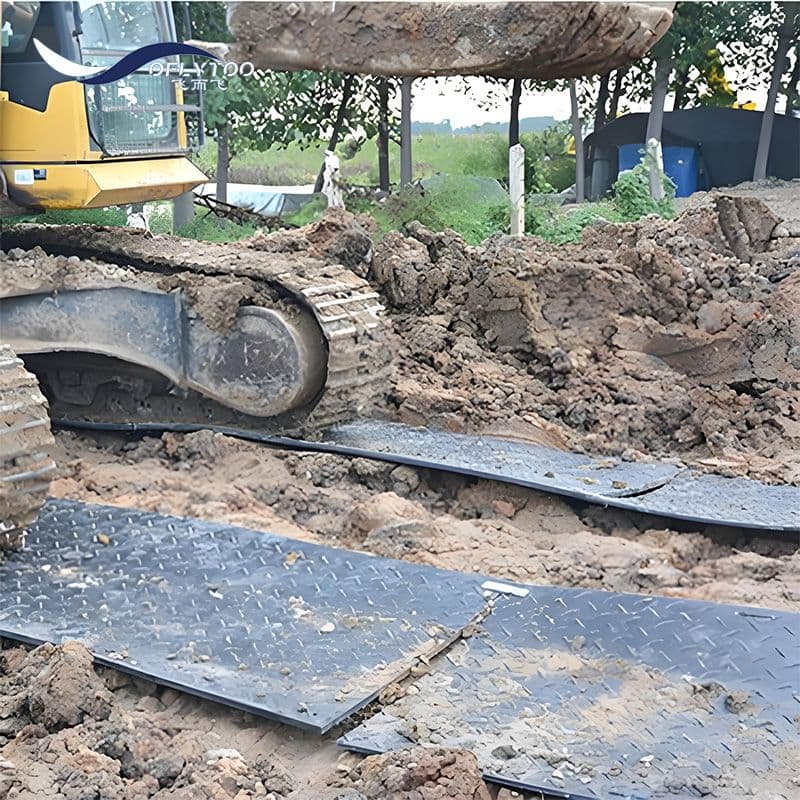
Many infrastructure projects are located in areas where existing roads and prepared surfaces are limited. Construction teams and maintenance crews may need to transport equipment and materials across soil, gravel, mud, or uneven terrain.
Without suitable access solutions, repeated traffic can damage the ground surface and make operations more difficult.
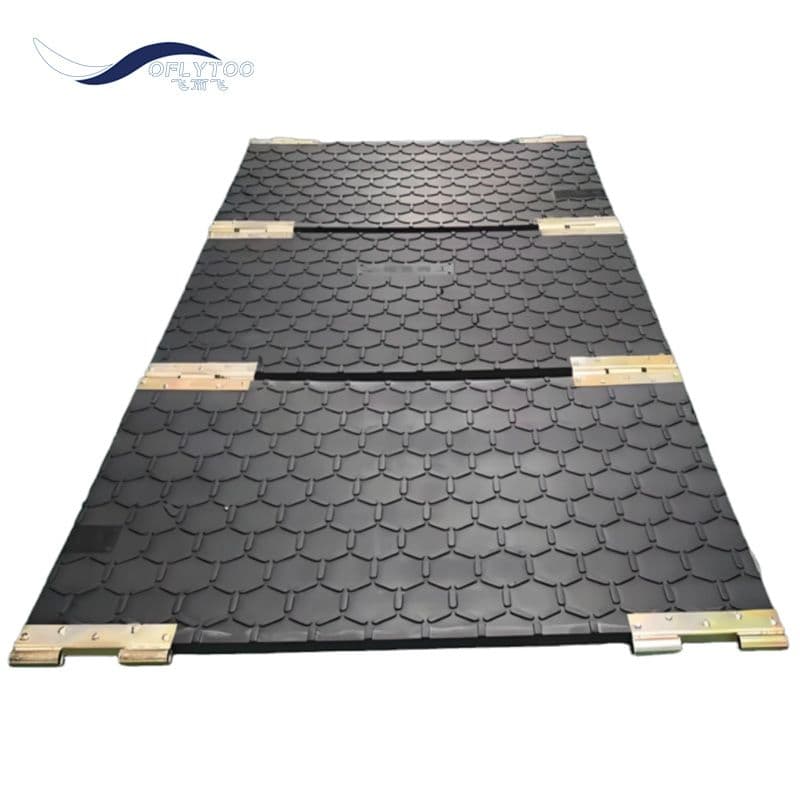
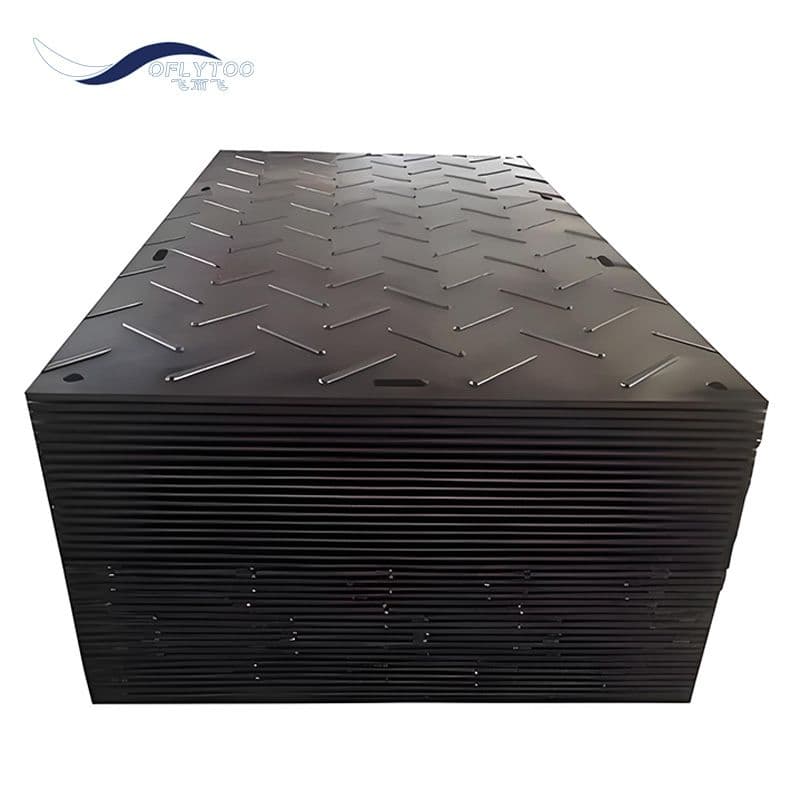
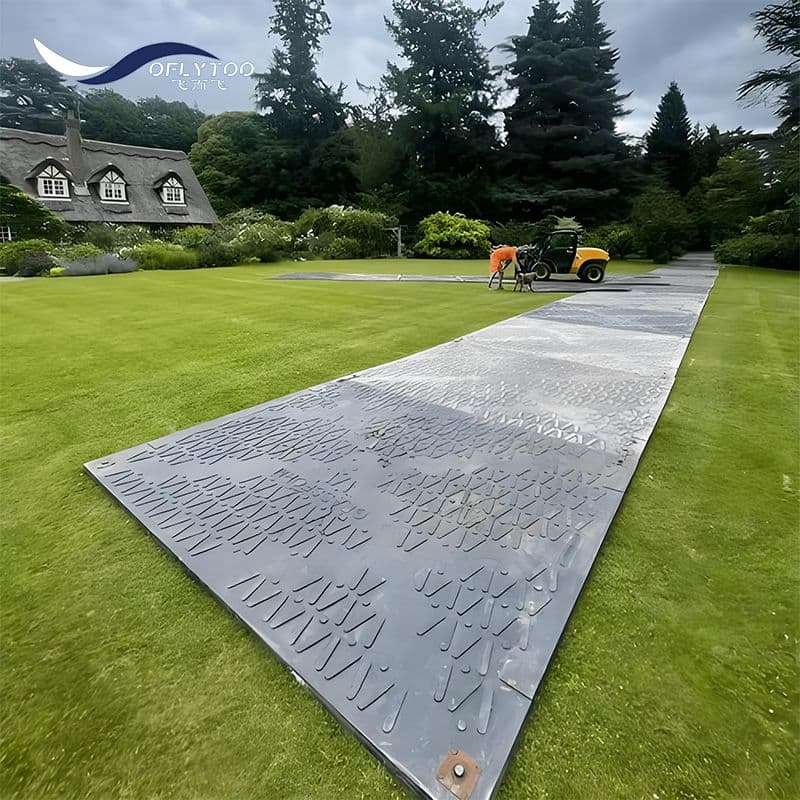
HDPE paving boards provide a practical method for creating temporary access and working areas in remote locations.
Supporting Temporary Work Zones
Remote projects often require temporary areas for equipment positioning, material storage, maintenance activities, and daily operations.
HDPE paving boards can be installed to create stable working surfaces where permanent paving is unnecessary. Their flexible installation allows project teams to adapt temporary infrastructure according to changing site conditions.
Protecting Natural Ground Surfaces
Ground disturbance can be a concern in undeveloped areas. Heavy vehicles and repeated movement may create deep tracks and affect surrounding surfaces.
By forming a protective layer between traffic and the ground, HDPE paving boards can help distribute loads and reduce direct impact on soil.
Designed for Outdoor Conditions
Remote infrastructure projects are often exposed to rain, humidity, temperature changes, and difficult terrain.
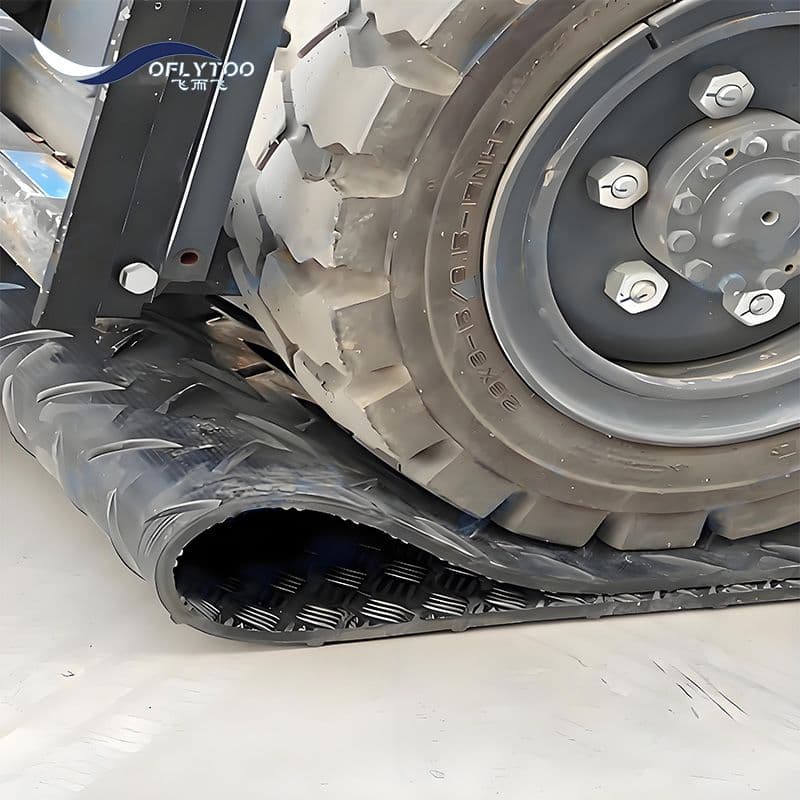
HDPE material provides resistance to moisture and impact, allowing paving boards to maintain performance during outdoor use. Their reusable design also makes them suitable for projects that require temporary infrastructure over extended periods.
Easy Deployment and Reuse
One advantage of HDPE paving systems is their ability to move with the project. When work shifts to a new area, the boards can be removed and redeployed.
After completion, they can be cleaned, stored, and prepared for future applications, providing a flexible alternative to single-use ground protection methods.
Applications in Remote Infrastructure
HDPE paving boards can support:
Temporary access routes Remote construction areas Field maintenance zones Equipment working platforms Material storage areas Temporary service routes Utility support operations Remote facility projects A Flexible Choice for Challenging Terrain